- The Resilient Leaders Playbook
- Posts
- The Power of Transformational Leadership: Inspiring Change and Building a Shared Vision
The Power of Transformational Leadership: Inspiring Change and Building a Shared Vision

Justin M. Fitzpatrick
March 03, 2025
The locker room felt heavier than it ever had. The stale scent of sweat hung in the air, and the flickering fluorescent lights cast a dim glow over players slumped in silent defeat. Outside, the distant roar of the crowd felt a world away—separated not just by a set of doors, but by the weight of three crushing losses in a row.
Then the coach stepped forward. He didn’t pull out a clipboard or bark orders. Instead, he told a story.
It was a tale of struggle and resilience, of a team once battered and broken that found within itself an unshakable belief. As his words filled the still air, the mood shifted. Doubt melted away, replaced by a flicker of determination. By the time he finished, the silence no longer carried the heaviness of defeat—it crackled with conviction. Shoulders lifted, eyes gleamed, and in that moment, they all felt it: they could win again.
The next game, they played like a team reborn.
This scene captures the essence of transformational leadership—a style that transcends strategy and mechanics. It’s about inspiring change, fostering innovation, and uniting people around a vision so compelling it ignites an inner fire.
What Is Transformational Leadership?
Transformational leadership is more than management—it’s a force that ignites belief, drives progress, and reshapes potential. Unlike transactional leadership—focused on processes, structures, and short-term rewards—transformational leaders engage people emotionally, intellectually, and ethically, creating profound, lasting change.
They don’t just command; they challenge, empower, and elevate. They build environments where people don’t just follow orders but embrace a mission.
Key Characteristics of Transformational Leaders
1. Inspirational Motivation – Igniting a Shared Vision
Transformational leaders don’t just set goals; they craft a future so vivid that people can’t help but see themselves in it. This is vision-casting at its finest.
Consider Martin Luther King Jr.’s “I Have a Dream” speech.
Under the searing August sun in Washington, D.C., he didn’t merely demand change—he painted a world where children of all races would play together, where justice was tangible and equal. His words echoed far beyond the Lincoln Memorial, inspiring generations to believe in and fight for civil rights.Why It Matters:
Inspirational motivation pushes people beyond their perceived limits. It replaces “I can’t” with “I must,” forging a collective sense of destiny. Whether in a locker room, a boardroom, or on the frontlines of social change, the best leaders make people believe in something bigger than themselves.
2. Intellectual Stimulation – Challenging the Status Quo
True leaders don’t demand blind obedience; they invite curiosity and bold thinking.
Elon Musk
At SpaceX, Musk refused to accept the “truth” that space travel must remain prohibitively expensive or that rockets must be single-use. His relentless questioning—Why not make rockets reusable?—sparked revolutionary advances in aerospace technology.Why It Matters:
Great leaders challenge old assumptions and invite their teams to do the same. They cultivate a culture where breakthroughs are normal, and “impossible” becomes just another starting point for exploration.
3. Individualized Consideration – Elevating Every Individual
Transformational leaders recognize that people are more than just roles or job titles; they’re unique individuals with distinct strengths, struggles, and aspirations.
Phil Jackson and the Chicago Bulls
Jackson didn’t just train Michael Jordan and Scottie Pippen to execute plays; he nurtured their mental game and emotional well-being, transforming a group of talented athletes into a cohesive force that defined an era of basketball.Why It Matters:
Leaders who take time to mentor, coach, and understand each team member unlock a deeper well of loyalty and creativity. It’s not about what people can do for the leader; it’s about how the leader can help each person unlock their highest potential.
4. Idealized Influence – Leading by Example
Transformational leaders live their values openly, forging trust through consistency between word and deed.
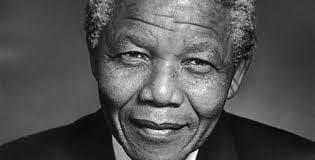
Nelson Mandela
Nelson Mandela
Emerging from 27 years of imprisonment, Mandela chose reconciliation over revenge, guiding South Africa through its most delicate transition. By demonstrating unity and moral courage, he inspired a nation to believe in peace and possibility.Why It Matters:
Leadership isn’t about demanding respect; it’s about earning it. When a leader’s actions match their convictions, they create a culture of authenticity and unwavering commitment.
The Transformational Impact
Business: Redefining Industries Through Vision
Imagine a bustling auditorium bathed in spotlight. A figure steps onstage, poised and confident, holding a device unlike anything the world has seen before. In that charged instant, the leader isn’t just unveiling a product; they’re inviting everyone to rethink what’s possible.

Steve Jobs
Steve Jobs at Apple
Jobs wasn’t merely launching gadgets—he was introducing a new way of life. From the sleek curves of the iPod to the intuitive interface of the iPhone, he united technology and artistry. Apple’s minimalist design and seamless user experience became a global benchmark, compelling other industries to follow suit.Why It Matters:
Transformational business leaders see beyond market share. They push boundaries, set cultural trends, and cultivate movements that reshape consumer expectations and daily life.
Sports: Unlocking Peak Performance
Transformational leadership in sports isn’t just about strategy; it’s about cultivating a team identity so strong that each player elevates their game—and each other’s.

Michael Jordan & Phil Jackson
Phil Jackson’s Chicago Bulls
Nicknamed the “Zen Master,” Jackson infused mindfulness, unity, and trust into every aspect of the team’s routine. The result? A dynasty that claimed six NBA championships, led by players who believed not just in themselves, but in each other’s potential.Why It Matters:
The greatest victories are rarely about one star player. They arise from a collective spirit guided by a leader who sees beyond the scoreboard, harnessing both the physical and the psychological strengths of each individual.
Society: Shaping History Through Leadership
When entire nations shift course, it’s often under the guidance of a transformative leader who ignites a moral or strategic imperative so powerful it transcends personal ambition.

Matin Luther King Jr
Martin Luther King Jr.
In the sweltering heat of a summer day in 1963, King’s resonant voice echoed across the National Mall, painting a picture of an America unburdened by racial injustice. He didn’t enforce his vision with an iron fist—he empowered ordinary people to demand their own dignity.Why It Matters:
Transformational leadership is about liberating power in others. King’s legacy of nonviolent resistance and moral clarity endures, reminding us that lasting change takes root when people believe they can shape a more just world.
Case Study: Napoleon Bonaparte – A Blueprint for Transformational Leadership
Napoleon Bonaparte wasn’t just a brilliant general; he was a visionary who redefined warfare, governance, and leadership in Europe.

Visionary Leadership
Amid the turmoil of a broken army, Napoleon rode in with a clarity that electrified the ranks. He transformed not just an army, but the entire fabric of European military strategy.
Innovation
Speed & Mobility: Napoleon’s corps system let him strike swiftly.
Psychological Warfare: He outmaneuvered foes mentally before the battle even began.
At Austerlitz, he lured the enemy into a trap, turning an apparently risky position into a decisive triumph.
Meritocracy
He shattered Europe’s rigid class system by promoting based on skill, not birthright. “Every soldier carries a marshal’s baton in his knapsack,” he famously declared, unleashing a wave of talent previously stifled by hierarchy.
Societal Reforms
Napoleonic Code: A legal framework centered on equality and property rights.
Public Education & Infrastructure: He modernized roads, trade, and education, sowing the seeds of a more progressive society.
Become the Leader Who Transforms the Game
Transformational leadership isn’t about authority; it’s about impact. It’s about reshaping minds, industries, and even entire cultures through a blend of vision, innovation, and empathy.
Reflect: What leadership lesson resonates most with you?
Remember: Who is the most transformational leader you’ve ever encountered?
Act: What’s one leadership challenge you’re facing right now, and how can you approach it with a transformational mindset?
Join the Conversation:
Drop a comment below—let’s spark a dialogue on leading with boldness and heart.
Share this piece with someone who inspires you to aim higher.
Sign up for The Resilient Leader’s Playbook—a weekly dose of high-impact leadership insights.
Sign up here https://theresilientleadersplaybook.beehiiv.com/subscribe to join the movement. Lead with purpose, transform the game, and leave an enduring mark on those who follow.